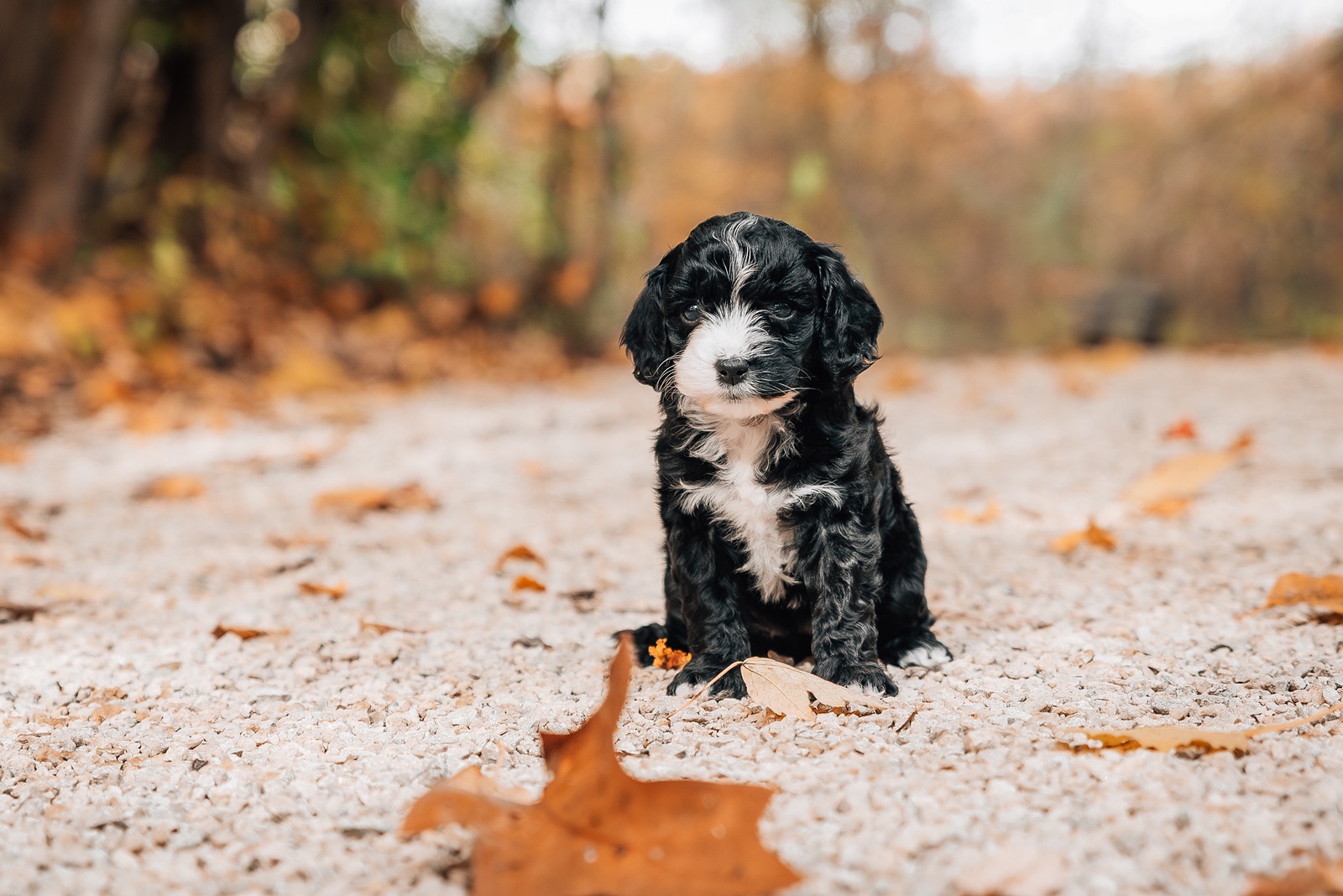
Puppy Potty Training Guide for Cavapoos, Mini Goldendoodles, and Cavadoodles
So you’ve brought home your new Cavapoo, Mini Goldendoodle, or Cavadoodle puppy. Now it's time to start housebreaking.
After raising puppies for over 25 years, we’ve learned that housebreaking doesn’t have to be complicated. A simple routine and consistency make all the difference. We encourage all our families to work with positive, aversive-free training methods during those crucial first weeks home. This guide shares the tips and strategies we’ve seen lead to the most success.
Quick Answer: How Long Does Puppy Potty Training Take?
Most puppies achieve reliable house training between 6–9 months of age, though some may take up to a year. Success depends on four key factors:
• Puppy’s age – Younger puppies (under 12 weeks) have limited bladder control
• Owner consistency – Predictable schedules without exceptions
• Reading cues – Learning the puppy’s signals
• Breed size – Smaller breeds often take longer due to tiny bladders
At Maple Hill Doodles in Cleveland, we’ve seen approximately 70% of puppies reliably house trained between 6–9 months using consistent positive reinforcement. Others take longer, and that’s completely normal.
Who This Guide Is For
This guide is designed for:
• New Cavapoo, Mini Goldendoodle, or Cavadoodle owners
• Families in Cleveland, Columbus, Pittsburgh, and Midwest climates
• First-time puppy owners using positive reinforcement
• Anyone struggling with puppy accidents
• Apartment dwellers needing indoor options

What Does “Housebroken” Actually Mean?
A truly housebroken dog understands that “inside” is never an acceptable place to eliminate. They hold it until they can go outside, even when it’s inconvenient.
This means a housebroken dog can stay home for reasonable periods without accidents, because they know the rule, not because they have constant access to the yard.
What Doesn’t Count as “Not Housebroken”
• A dog left longer than they can physically hold it
• Medical issues such as diarrhea or a UTI
• Senior dogs with age-related decline
What We Don’t Consider Housebroken
A dog who only stays clean because they:
• Have a doggy door
• Go out every 30–60 minutes
• Only succeed when the weather is nice
…is not truly housebroken. They’re just living in a convenience-based system.
This matters because your goal is for your puppy to learn the concept, not rely on ideal circumstances.
Why Some Puppies Train Faster Than Others
Puppy Age
Young puppies have small bladders and immature muscles. No amount of training overrides biology.
Owner Consistency
The biggest factor in success. Timing, location, and cues must be consistent.
Reading Puppy Cues
Owners improve at this over time. Sniffing, circling, or suddenly leaving the room often means “I need to go.”
Size and Breed
Smaller dogs often take longer due to tiny bladders.
What Our Families Tell Us
Some families report that their puppy was a potty-training prodigy. This is rare. Usually it’s a mix of excellent attentiveness, timing, and luck.
If your puppy is not a prodigy - that's okay. That’s normal. Most puppies take months, not weeks. You’re not doing anything wrong.
How to Potty Train Your Puppy: Step-by-Step Process
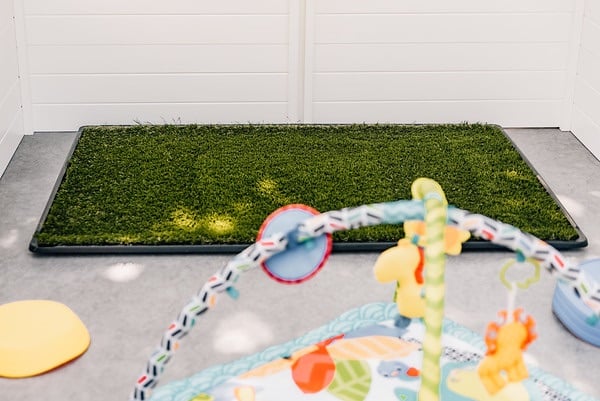
Step 1: Pick a Dedicated Potty Spot
Choose a specific yard corner. Always take your puppy to this same place.
Step 2: Establish a Consistent Schedule
Take your puppy out:
• First thing in the morning
• After every meal
• After every nap
• After play sessions
• Before and after crate time
• Right before bed
• Every 1–2 hours for puppies under 12 weeks
Step 3: Use Verbal Cues
Pick a cue such as “go potty” and use it every time.
Step 4: Reward Immediately
The moment they finish, praise with enthusiasm and begin play time.
Step 5: Gradually Manage Freedom
Do not give full house access until the puppy has 2+ weeks accident-free in a small space.
Start Potty Training the Second You Get Home
Don’t bring your puppy inside first. Instead, carry them straight to the potty area you want them to use.
Why This Works
• Creates clear boundaries
• Establishes scent in that spot
• Keeps your yard clean and consistent
• Helps the puppy understand “this is where we potty"
If they go, praise enthusiastically. If not, keep trying in cycles of short outside trips → brief crate rest → repeat.
Why We Don’t Recommend Treats for Potty Training
Young puppies potty 10–15+ times daily. Rewarding each with treats equals an entire extra meal. Treats should remain high-value tools for training commands, not bodily functions. Use praise and play as rewards instead.
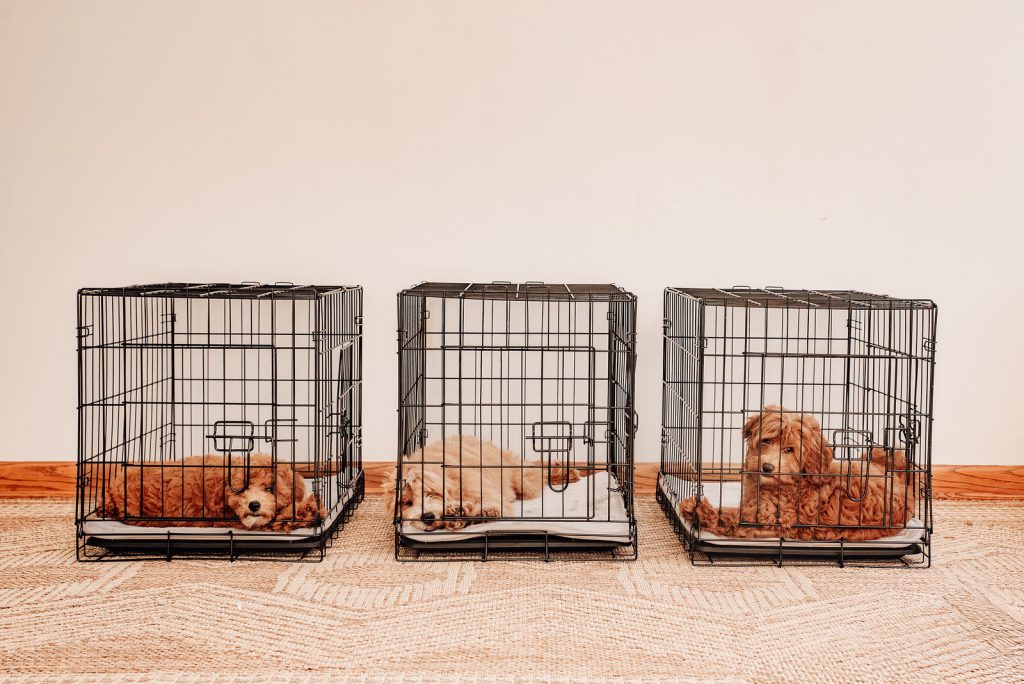
Using a Crate to Support Housebreaking
A crate works because puppies naturally don't like to potty where they sleep. But:
• Never crate longer than the puppy can physically hold it
• Crate size must be correct
• Crate training must be positive
For a full guide, see: How to Crate Train Your Puppy.
Gradually Expanding Your Puppy’s Freedom
Stage 1: Crate or Small Space (Weeks 1–3)
Use the crate or a small space when not able to supervise.
Stage 2: One Room (After 1–2 Weeks Accident-Free)
If accidents start happening, don't worry. Just go back to previous stage for a little while before giving your puppy more freedom again.
Stage 3: Two Rooms
Once your puppy has been accident-free for a while, you can slowly start giving them access to another room. There is no rush. Going too fast is one of the most common reasons housebreaking takes longer than it should.
Stage 4: Gradual Expansion
Add rooms very slowly. Carpeted rooms come last.
If Accidents Occur
• Clean with enzymatic cleaner
• Step back one stage
• Continue with consistent routine
Potty Training Schedule That Works
Managing Food and Water
• Last meal in mid-afternoon
• Pick up water 2 hours before bedtime
• Expect 2–3 nighttime potty trips for 8-week-olds
Critical Potty Times
• First morning outing
• After meals
• After naps
• After play
• Before/after crate time
• Before bed
• Every 1–2 hours for young pups
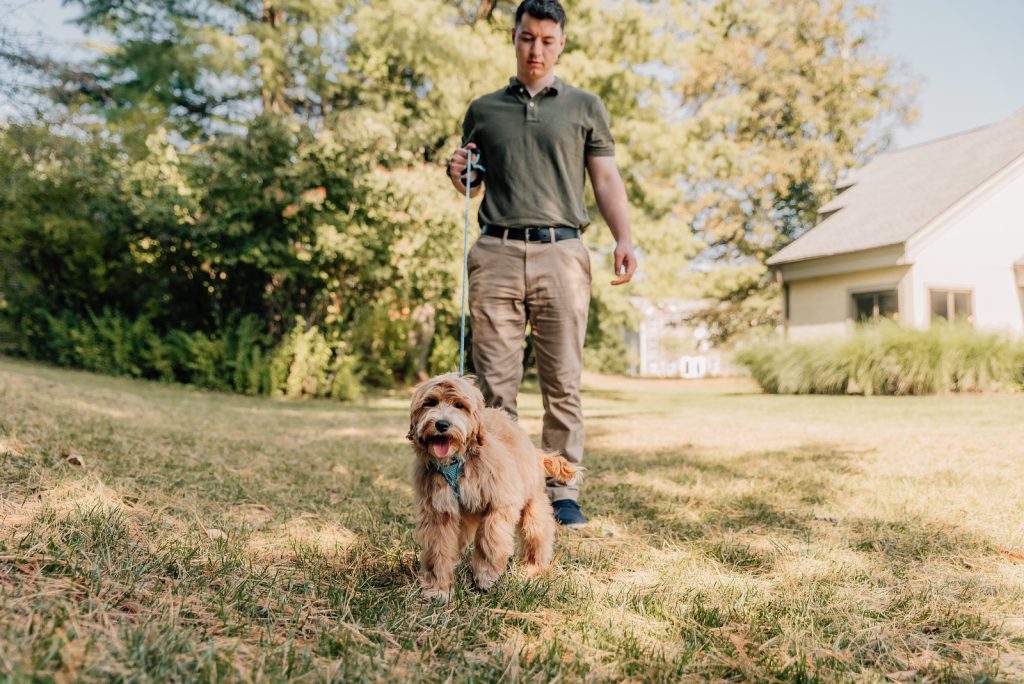
Creating a Successful Outdoor Routine
Same Spot, Every Time
Taking your puppy to the same spot every time helps them to understand that's where you want them to go. As a bonus, clean up is more efficient.
Keep It Boring
Business first. Fun after.
If Nothing Happens
If no success after 5–10 minutes:
1. Bring puppy inside
2. Crate briefly
3. Try again
4. Repeat until successful
Only then allow supervised free time.
When Accidents Happen (They Will)
Accidents are normal.
Never Punish
Punishing accidents will create fear or confusion and may make housebreaking more difficult.
If You Catch Them
• Quickly lift the puppy
• Go straight to potty spot
• Praise any outdoor attempt
If You Find It Later
Just clean it. Don’t punish.
Signs Your Puppy Needs to Go
Watch for:
• Sniffing
• Circling
• Walking away suddenly
• Restlessness
• Returning to prior accident spots
Keep a potty log to identify patterns.
Special Considerations for Midwest Weather
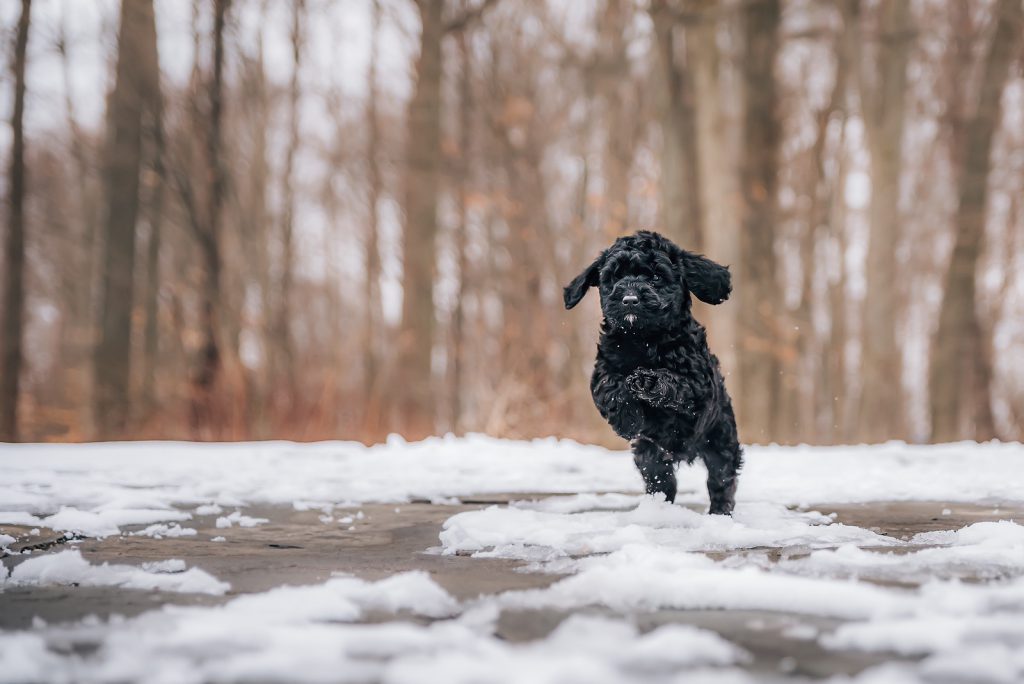
Cleveland, Columbus, and Pittsburgh puppies face real winters.
Winter Tips
• Shovel paths
• Use covered areas
• Keep trips short and frequent
• Warm up afterward
Indoor Training as a Permanent Choice
While indoor potty training can work for some situations, its recommended teaching puppies to eliminate outdoors from the beginning whenever possible.
Indoor options:
• Real grass patches
• Artificial grass
• Puppy pads
Decide before the puppy comes home.
Potty Training Methods: Comparison
Outdoor Only
Best for homes with yards
Timeline: ~6–9 months
Pros: Faster, clearer
Cons: Weather dependent
Permanent Indoor
Best for apartments or mobility issues
Timeline: ~6–9 months
Pros: Convenient
Cons: Permanent commitment, ongoing supplies
5 Common Potty Training Mistakes
1. Too much freedom too soon
2. Assuming “no pee outside” means “doesn’t need to go”
3. Punishing accidents
4. Inconsistent schedule or location
5. Using treats for every potty break
Frequently Asked Questions
How long does it take?
Typically 6–9 months; sometimes up to a year.
Why is my puppy regressing?
Common causes include routine changes, distractions, growth spurts, UTIs, or too much freedom.
Puppy pads or outside?
Outdoor-only is fastest unless you need permanent indoor solutions.
Can I work full-time and still train?
Yes, but you need midday support.
Should I restrict water?
Not during the day but pick up a couple hours before bedtime.
Male vs female difficulty?
No significant difference.
Can puppies be trained in one week?
Almost never.
Do puppies “just know” to go outside?
No, it must be taught.
Key Takeaways
✓ Start immediately
✓ Consistency is everything
✓ Never punish accidents
✓ Crate training helps
✓ Puppies’ bladders develop with age
✓ Timeline varies
✓ Skip treats
✓ Keep location consistent
✓ Carry the puppy to the potty spot
✓ Avoid early full-house freedom
Potty training is temporary, and you will get through it. Your puppy wants to succeed... they just need time, structure, and your calm consistency.